DST-National Centre of Excellence on Climate Change
CSIR-National Environmental Engineering Research Institute (CSIR-NEERI)
Nehru Marg, Nagpur – 440 020, Maharashtra, India
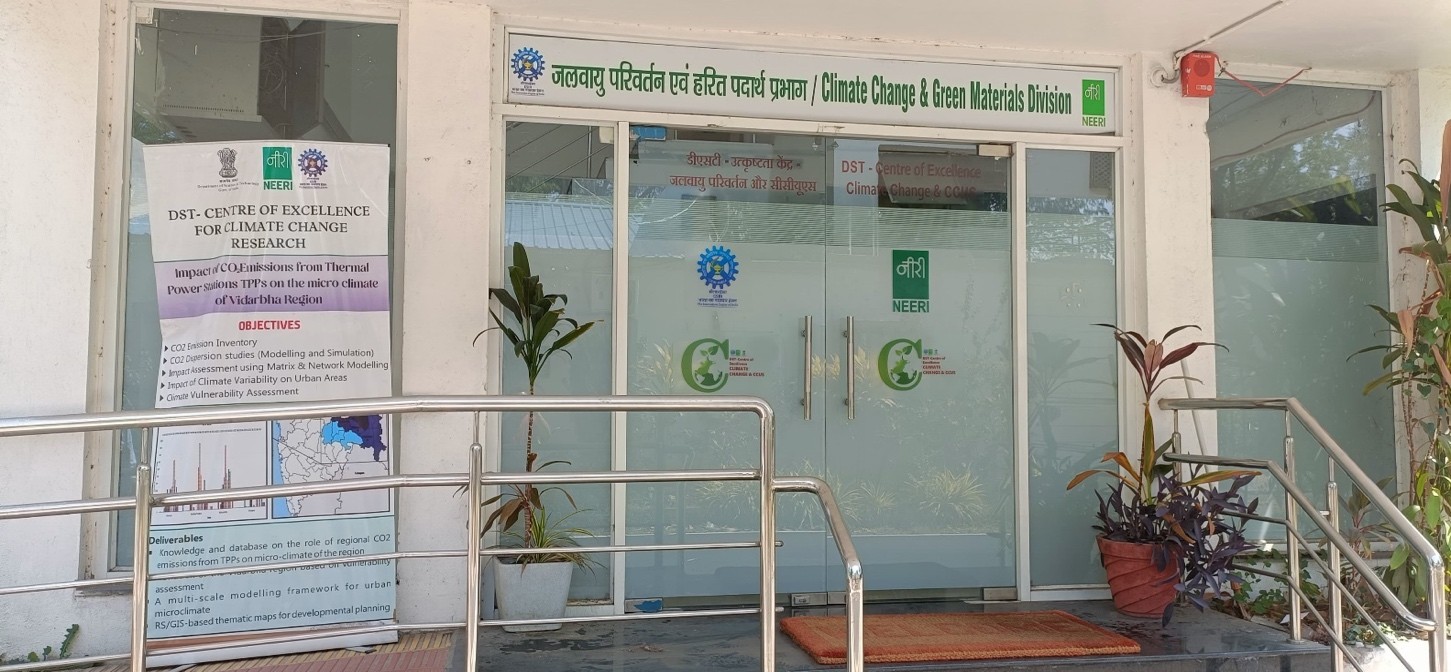
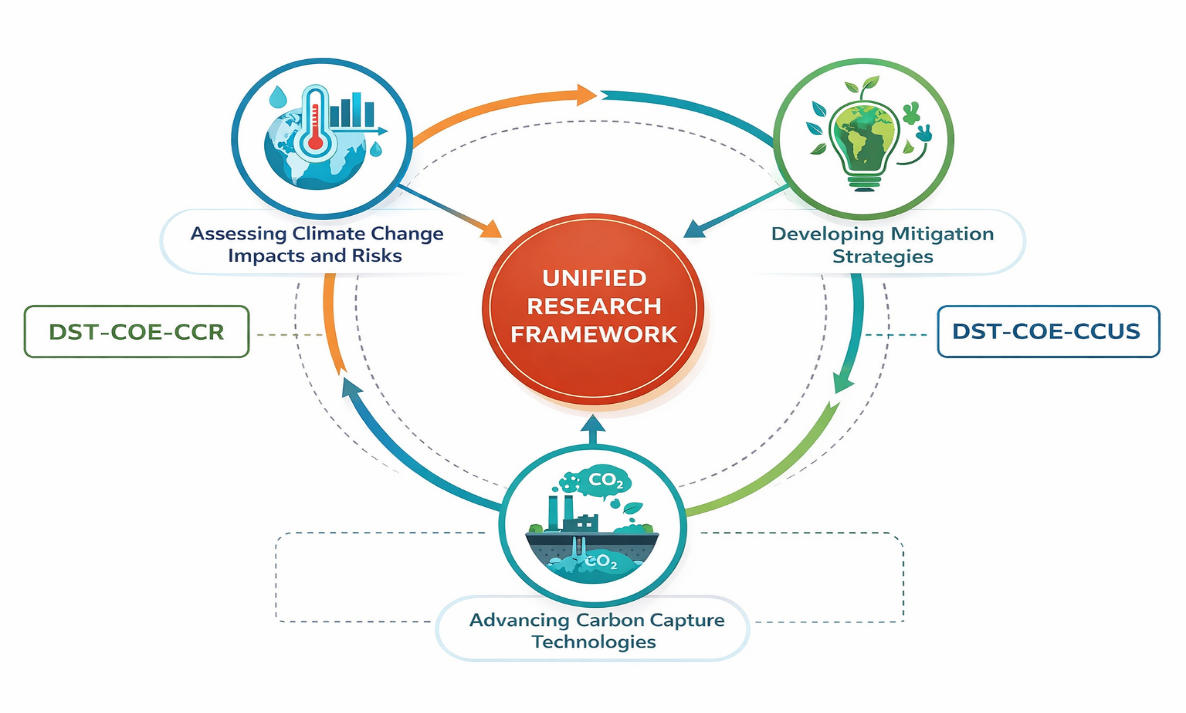
The Department of Science and Technology (DST) has established two complementary Centers of Excellence at CSIR–National Environmental Engineering Research Institute (CSIR-NEERI), Nagpur, namely the DST–Centre of Excellence on Climate Change Research (DST–CoE–CCR) and the DST–National Centre of Excellence on Carbon Capture, Utilization and Sequestration (DST–CoE–CCUS), to strengthen India’s scientific and technological response to climate change.
DST–CoE–CCR focuses on region-specific climate science, with emphasis on quantifying CO₂ emissions from coal-based thermal power plants, modelling their fate and dispersion and impact of CO2 emission on the microclimate using atmospheric models, zonation of climate vulnerable areas using RS–GIS. The Centre integrate the exposure–sensitivity–adaptive capacity to develop region-specific frameworks to support climate resilience planning and adaptation strategies.
DST–CoE–CCUS addresses mitigation challenges by developing and optimizing post-combustion CO₂ capture, particularly use of nanomaterials to reduce CO2-rich solvent regeneration energy and development of blended solvents for capture of CO2 from industrial stack emission. Fly ash–derived zeolites and other solid-states adsorbents for capture of high temperature and humid flue gases is another theme of research work. A pilot scale algal-based biological sequestration is proposed to develop in this Centre for implementation of the technology.
Further, CSIR-NEERI has been providing long-standing technical and scientific support to the Ministry of Environment, Forest and Climate Change (MoEFCC), Government of India, for the preparation of India’s National Communications (NATCOMs) and Biennial Update Reports (BURs) submitted to the UNFCCC, particularly in the greenhouse gas emission inventory of the waste sector (solid waste and wastewater). The Institute has contributed to activity data development, methodological refinement, uncertainty assessment, and quality assurance/quality control in accordance with IPCC guidelines, thereby strengthening the transparency, consistency, and robustness of India’s national GHG reporting framework
DST- Center of Excellence on Climate Change Research
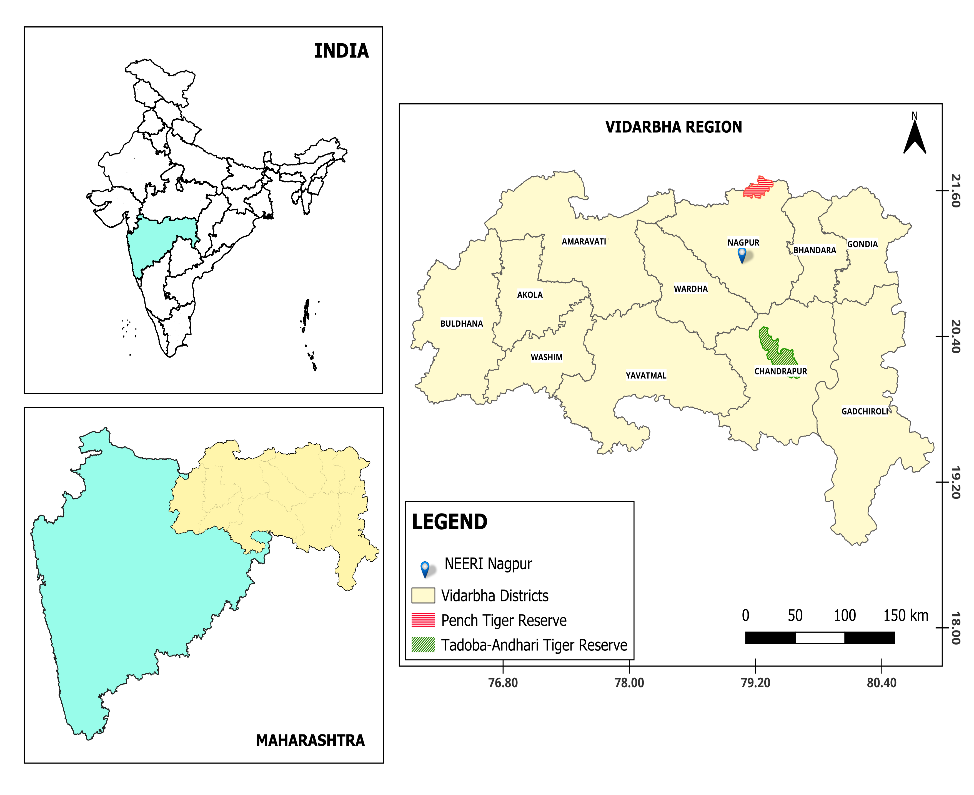
Geographical location of the study area
The DST–Center of Excellence on Climate Change Research (DST–CoE–CCR) has been established at the CSIR–National Environmental Engineering Research Institute (CSIR-NEERI), Nagpur, with financial support from the Department of Science and Technology (DST), Government of India, under the Climate Change Program. The Center aims to generate scientifically robust, region-specific evidence on greenhouse gas emissions, climate variability, and climate-induced risks to support national and sub-national climate action, policy formulation, and sustainable development planning.
The primary research focus of DST–CoE–CCR is on understanding the impacts of CO₂ emissions from coal-based thermal power plants on regional microclimate and climate vulnerability, with the Vidarbha region of Maharashtra serving as a representative and policy-relevant study area. The Center employs an integrated methodological framework combining CO₂ emission inventory development, atmospheric dispersion modeling (HYSPLIT, WRF-Chem), urban-scale microclimate modeling (ENVI-MET), and high-resolution remote sensing and GIS-based spatial analysis to assess changes in temperature, humidity, wind patterns, land-use/land-cover dynamics, and urban heat island formation.
In addition to climate impact assessment, DST–CoE–CCR undertakes climate vulnerability mapping based on IPCC risk concepts, integrating indicators of exposure, sensitivity, and adaptive capacity across environmental, socio-economic, and ecological dimensions. The Center develops spatially explicit thematic maps and decision-support outputs intended for planners, administrators, and policymakers to facilitate climate-resilient regional development, particularly in industrially intensive and ecologically sensitive regions. Through its interdisciplinary, data-driven approach, DST–CoE–CCR strengthens India’s scientific capacity for localized climate change assessment and for informed climate governance.
Results and Activities
-
Comprehensive CO₂ Emission Benchmarking of Thermal Power Plants in Vidarbha
A detailed benchmarking of CO₂ emissions from coal-based thermal power plants in Vidarbha and adjoining regions was completed using IPCC-consistent methodologies. Emissions were quantified based on plant characteristics and fuel consumption data, establishing a reliable baseline of spatial and temporal CO₂ emission loads. This benchmark forms the scientific foundation for dispersion modelling, microclimate analysis, and vulnerability assessment, and addresses a critical data gap for central India.
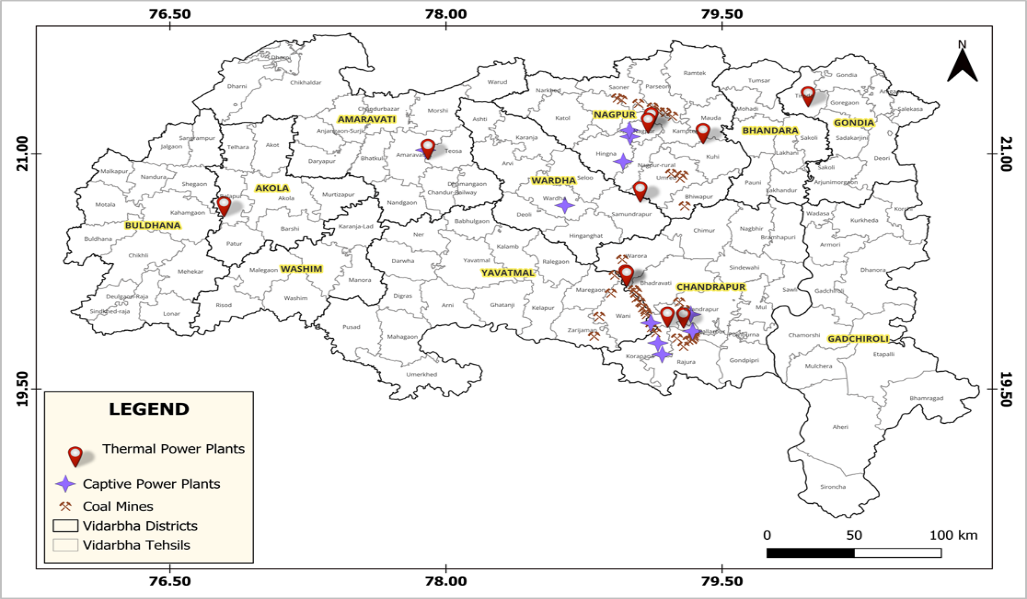
Mapping of thermal power plants (TPPs), captive plants and mines in the study area
-
High-Resolution CO₂ Dispersion and Fate Modelling
Advanced atmospheric dispersion models (HYSPLIT) were used to simulate short- and long-range transport of CO₂ from thermal power plant stacks in the Vidarbha region. The modelling revealed distinct upwind–downwind dispersion patterns and identified emission influence zones extending beyond plant boundaries. These results demonstrate that the CO₂ impacts are not localized but regionally distributed, emphasizing the need for regional-scale climate planning rather than plant-centric assessments.
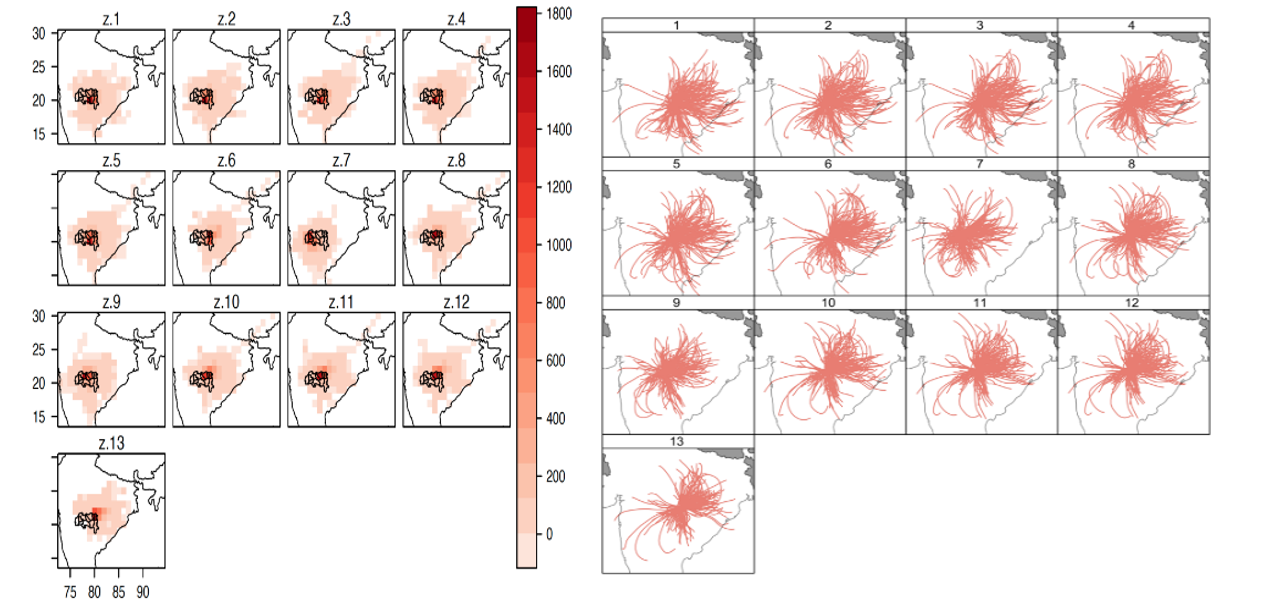
Forward trajectories of CO₂ emissions from 11 TPPs within the Vidarbha region
-
Quantification of Microclimate Alterations Induced by TPP Emissions
Urban-scale microclimate modelling (ENVI-MET) coupled with regional climate simulations showed measurable changes in near-surface temperature, relative humidity, and wind speed in areas influenced by clustered thermal power plants. The results indicate amplification of local warming and altered atmospheric stability, particularly under high emission scenarios. This provides scientific evidence linking large point-source CO₂ emissions with localized microclimate modification, including urban heat islands in the Vidarbha region of Maharashtra State.
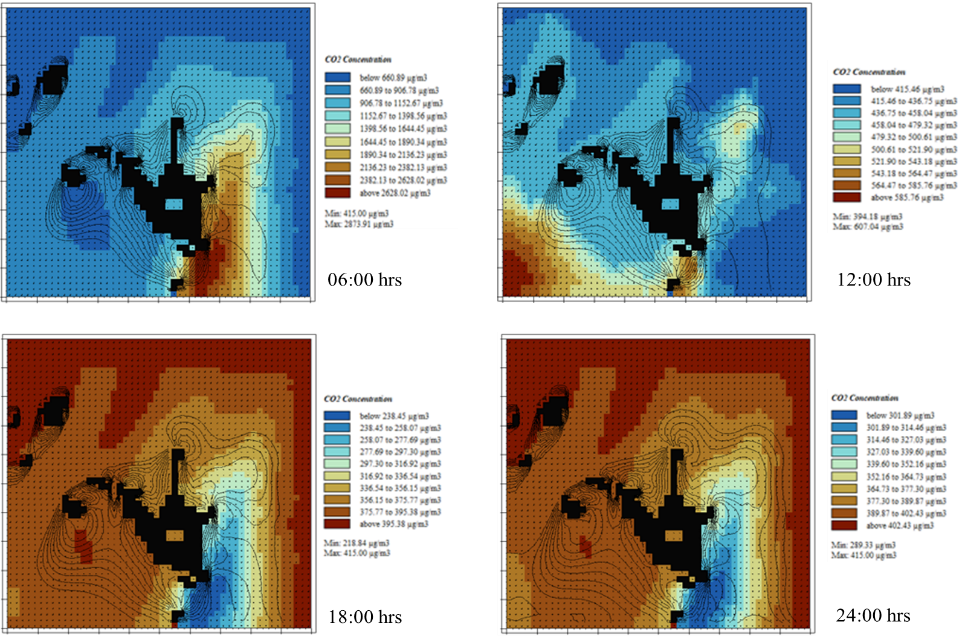
Microclimate alterations induced by TPP emissions in the Vidarbha region
-
Long-Term Land Use and Land Cover (LULC) Change Detection (1985–2022)
Multi-decadal RS–GIS analysis revealed substantial land-use transitions in Vidarbha, including rapid expansion of built-up areas, significant reduction in forest cover, and conversion of cropland to grassland and urban uses. The observed forest loss and urban expansion reduce regional carbon sink capacity while intensifying surface heating. These land-use dynamics act as a reinforcing feedback to emission-driven climate stress.
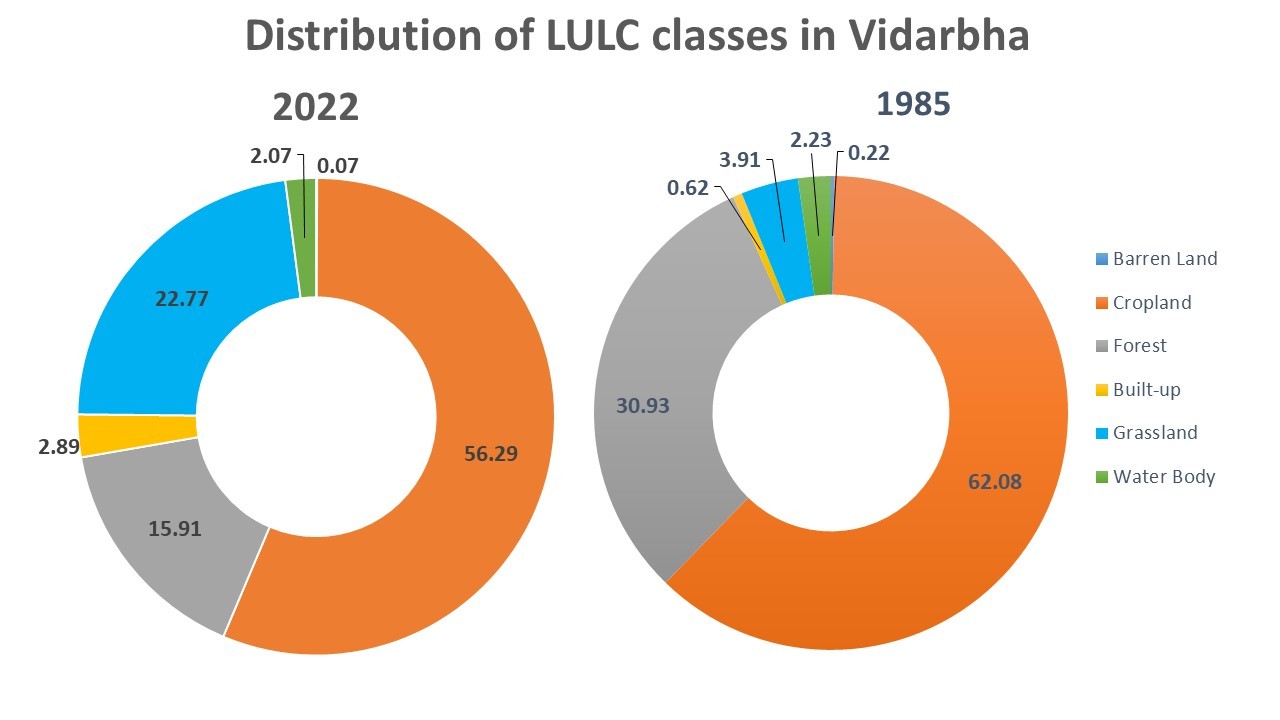
Land Use and Land Cover (LULC) change detection (1985–2022) in the Vidarbha region
DST- Center of Excellence on Carbon Capture, Utilization and Sequestration
The DST–National Centre of Excellence on Carbon Capture, Utilization and Sequestration (DST–CoE–CCUS) has been established at CSIR–National Environmental Engineering Research Institute (CSIR-NEERI), Nagpur, with financial support from the Department of Science and Technology (DST), Government of India, to address the technological barriers associated with deep decarbonization of coal-based thermal power plants and other emission-intensive industries. Given India’s continued reliance on fossil fuels and the high contribution of thermal power plants to national CO₂ emissions, the Centre focuses on developing scientifically robust, energy-efficient, and scalable CCUS technologies that are compatible with existing industrial infrastructure.
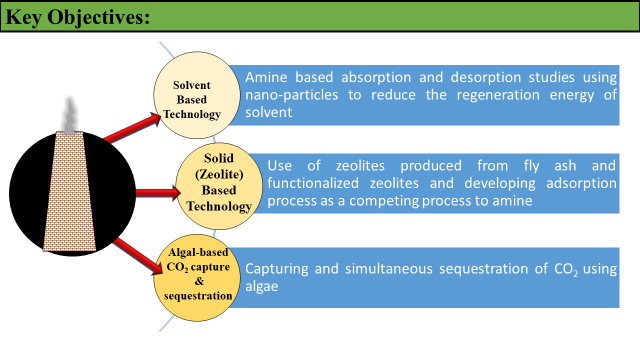
DST–CoE–CCUS adopts a multi-pathway mitigation framework integrating solvent-based CO₂ capture, solid sorbent systems developed from industrial waste streams, and biological sequestration routes. The Centre combines process simulation, advanced materials engineering, laboratory-scale experimentation, and systems-level analysis to lower the energy penalty of CO₂ capture, enhance capture performance under realistic flue-gas conditions, and enable circular-economy-oriented sequestration pathways. Through this integrated approach, the Centre contributes to India’s long-term mitigation strategy and CCUS technology readiness for net-zero transitions.
Results and Activities
-
Significant Reduction Potential in Solvent Regeneration Energy Identified through Process Simulation
Detailed absorption–desorption process simulations were carried out using ASPEN Plus and DWSIM for widely used amine solvents (MEA, DEA, MDEA, and PZ). The simulations quantified absorption capacity, desorption capacity, and regeneration energy demand under realistic flue gas conditions (10–15% CO₂). Results demonstrated large variability in regeneration energy requirements across solvents, highlighting clear opportunities for energy optimization through solvent selection and system design. These results provide a strong quantitative basis for reducing the parasitic energy load of post-combustion CO₂ capture systems.
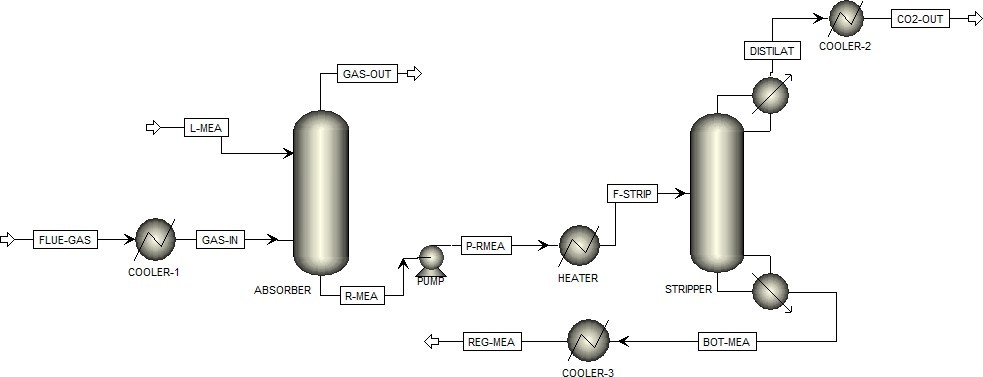
Process flow diagram of adsorption-desorption system for the capture of CO2 in aqueous amine.
-
Identification of High-Performance Amine Solvents Using Chemometric and MCDM Approaches
A comprehensive combinatorial screening of 85 amine-based solvents was conducted using physico-chemical descriptors, process performance indicators, and green chemistry considerations. Through hierarchical clustering, PCA, and ranking methods such as TOPSIS and VIKOR, the solvent set was systematically narrowed to a smaller group of high-performing candidates. This data-driven approach moves beyond trial-and-error solvent selection and establishes a reproducible framework for identifying efficient and environmentally preferable solvents for industrial CO₂ capture.
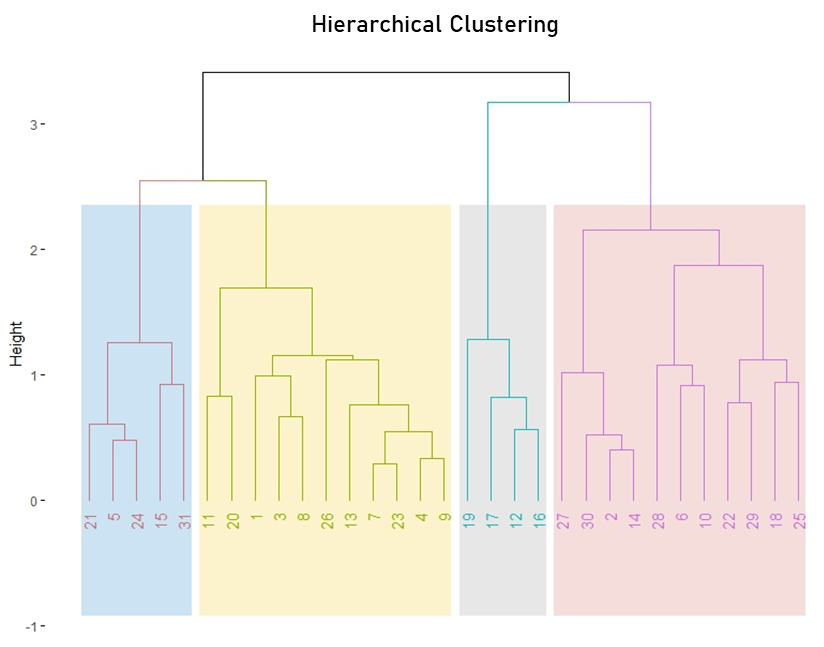
Hierarchical Clustering of solvents, based on their 13 physico-chemical descriptors
-
Enhancement of CO₂ Absorption and Desorption Using Nanomaterial-Assisted Solvent Systems
Graphene-based iron oxide nanocomposites and related nanomaterials were synthesized and integrated into conventional amine solvents to form nanofluids. Experimental absorption–desorption studies showed that optimized nanoparticle loading significantly enhanced CO₂ absorption capacity and accelerated desorption kinetics. The nanomaterials acted as localized heat and mass transfer enhancers, enabling faster CO₂ release at comparable or lower temperatures, thereby reducing solvent degradation and regeneration energy demand.
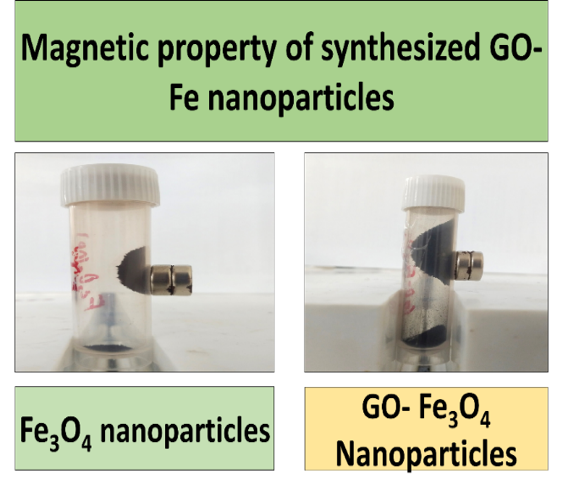
Magnetic property of the synthesized nanoparticles
-
Development of Laboratory-Scale Adsorption–Desorption Systems for Solid Sorbents
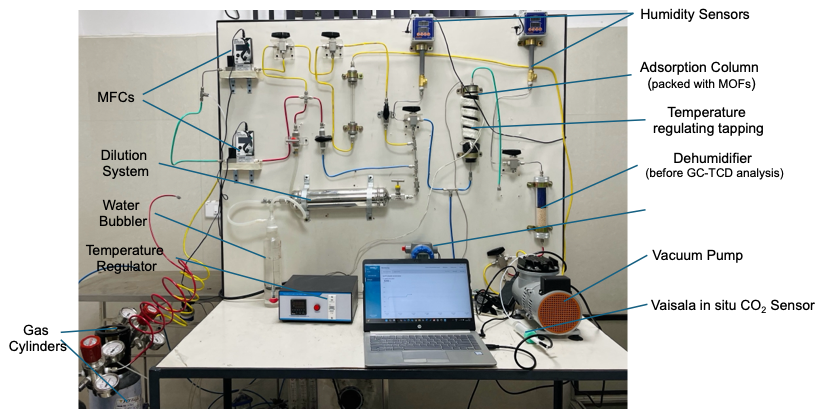
A laboratory-scale adsorption–desorption column system (≈1 kg capacity) was designed and fabricated to evaluate zeolite-based CO₂ capture under controlled temperature, pressure, and humidity conditions. The system enabled systematic assessment of adsorption efficiency, desorption behaviour, and material recyclability. These experiments provide critical insights into the operational feasibility of pressure swing and temperature swing adsorption systems for industrial flue gas treatment.
-
Development of Metal Organic Frameworks for CO¬2 Adsorption
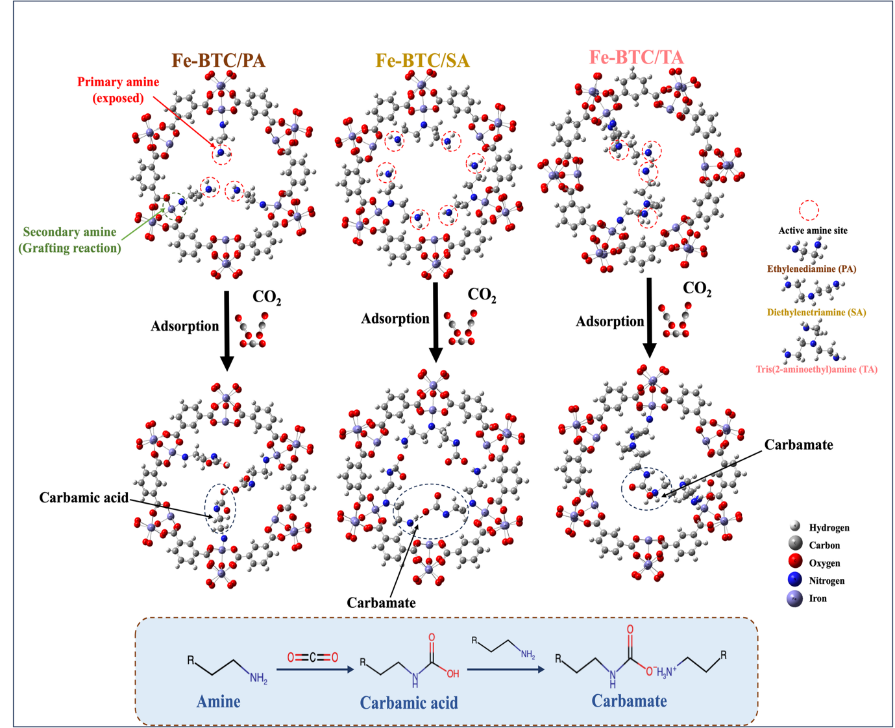
Metal–organic frameworks (MOFs) are synthesized and engineered through optimized synthesis routes, tailored pore dimensions, specific ligand and open metal site affinities, and surface functionalization. These modifications enhance their CO₂ adsorption capacity, CO₂/N₂ selectivity, and stability, making them effective C₂-separating materials for thermal power plant flue gas and direct air capture. Deep investigations range from laboratory synthesis to molecular modelling using Density Functional Theory (DFT) and Monte Carlo simulations to access active sites and force fields. The group also focuses on translating research from the lab to real-life application through lab-scale fabricated column breakthrough studies and techno-economic studies for industrial applications.
-
Advancement of Algal-Based Biological CO₂ Sequestration Systems
DST–CoE–CCUS advanced biological sequestration pathways by identifying algal species tolerant to high CO₂ concentrations and varying nutrient and light conditions. Process enhancements, including carbonic anhydrase-assisted CO₂ dissolution, were explored to improve sequestration efficiency. A 500-L algal reactor was designed for scale-up, demonstrating the potential of nature-based solutions as complementary pathways for industrial CO₂ mitigation.ng solvent degradation and regeneration energy demand.
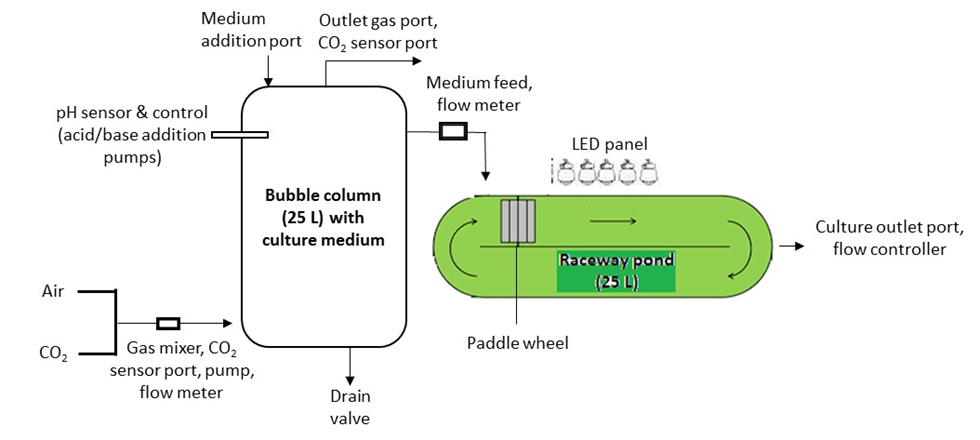
Algal photo-bioreactor design
GHG Emission Inventory for India’s NATCOM, BURs, and BTRs
CSIR-National Environmental Engineering Research Institute (CSIR-NEERI) has played a significant technical role in supporting India’s greenhouse gas (GHG) emission inventory development for the waste sector under national reporting obligations to the United Nations Framework Convention on Climate Change (UNFCCC). As a premier environmental research institution under Council of Scientific and Industrial Research (CSIR), NEERI has contributed to the preparation of India’s National Communications (NATCOMs), Biennial Update Reports (BURs), and more recently the Biennial Transparency Reports (BTRs) by providing scientific inputs on emissions from solid waste disposal, wastewater treatment, open burning of waste, and related waste management activities. CSIR-NEERI is involved in preparing an inventory of GHGs, particularly methane and nitrous oxides, from wastewater generated in India, including domestic and industrial sources. Various National Communications (NATCOM), Biennial Update Reports (BUR), and Biennial Transparency Reports are prepared for submission to the UNFCCC. The division is also involved in the research and development of emission factors for wastewater management, which is used for the GHG estimation.
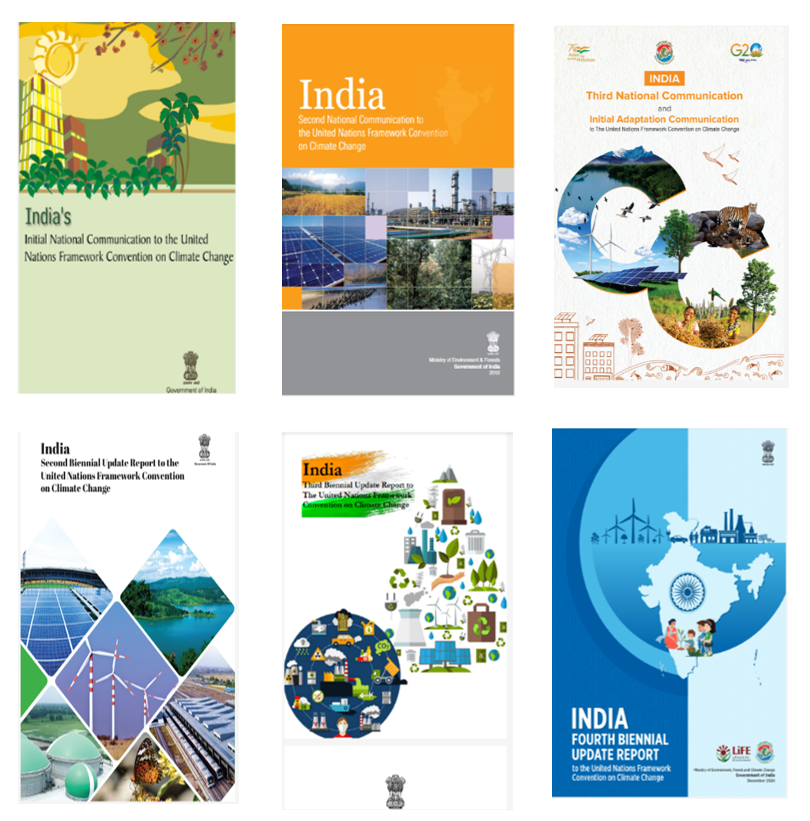
The study involves a spatio-temporal assessment of various wastewater treatment and disposal pathways that result in GHG emissions into the environment. CSIR-NEERI also aids MoEF&CC and NITI Aayog in drafting and implementing policies in the waste sector to mitigate the impact of GHGs on the environment and plays a significant role in mitigating climate change.
Publications
| Sr.No. | Articles/Books/Chapters/Report |
| 01 | Yadav, A., & Krupadam, R. J. (2026). Optimizing CO2 Adsorption on Fe–BTC: Understanding the Effect of Amine Functionalization and Flue Gas Compatibility. ChemistrySelect, 11(16), e07529. https://doi.org/10.1002/slct.202507529 |
| 02 | Boldhane, S., Sneha, Hippargi, G., Krupadam, R. J., & Nagababu, P. (2026). CO2 capture by calcium carbonate and graphene oxide composites functionalized with amine. Chemical Engineering Science, 333, 124254. https://doi.org/10.1016/j.ces.2026.124254 |
| 03 | Lama, S., Periyaswami, L., Barewar, H., Krupadam, R.J., 2025. Methane emissions from cattle manure in India: A scenario-based comprehensive study. Science of The Total Environment 1002, 180571. https://doi.org/10.1016/j.scitotenv.2025.180571 |
| 04 | Roy, T.B., Middey, A., Krupadam, R.J., 2025. Unveiling the microclimate: A comprehensive review of tools, techniques, and future directions for sustainable cities. Building and Environment 274, 112726. https://doi.org/10.1016/j.buildenv.2025.112726 |
| 05 | Aquetar, Md.Q., Bhatia, U., Rayalu, S.S., Krupadam, R.J., 2022. Reduced graphene oxide-MnO2 nanocomposite for CO2 capture from flue gases at elevated temperatures. Science of The Total Environment 816, 151522. https://doi.org/10.1016/j.scitotenv.2021.151522 |
| 06 | Mankar, J.S., Rayalu, S.S., Balasubramanian, R., Krupadam, R.J., 2021. High-performance CO2 capture at elevated temperatures by using cenospheres prepared from solid waste, fly ash. Chemosphere 284, 131405. https://doi.org/10.1016/j.chemosphere.2021.131405 |
| 07 | Krupadam, R.J., Rayalu, S.S., 2021. Melamine-based resins and their carbons for CO2 capture: a review. Emergent matter. 4, 545–563. https://doi.org/10.1007/s42247-020-00157-3 |
| 08 | Aquetar, Md.Q., Mankar, J.S., Bhatia, U., Rayalu, S.S., Krupadam, R.J., 2021. Graphene nanosheets from hazardous/solid wastes: An efficient CO2 capture material. Journal of Environmental Chemical Engineering 9, 105839. https://doi.org/10.1016/j.jece.2021.105839 |
| 09 | Chatterjee, S., Krupadam, R.J., 2019. Amino acid-imprinted polymers as highly selective CO2 capture materials. Environ Chem Lett 17, 465–472. https://doi.org/10.1007/s10311-018-0774-z |
| 10 | Chatterjee, S., Rayalu, S., Koley, S.D., Krupadam, R.J., 2016. Adsorption of carbon dioxide on naturally occurring solid amino acids. Journal of Environmental Chemical Engineering 4, 3170–3176. https://doi.org/10.1016/j.jece.2016.06.007 |
| 11 | Vipin C. Joshi, Anil R. Gupta, Manikavasagam Karthik, Saroj Sharma, Emerging iron-based porous metallopolymeric material with cross-linked networks for the separation of ultra-trace arsenic from aqueous environment and simulation with artificial neural network, Journal of Hazardous Materials Advances, Volume 14, May 2024, 100417, https://doi.org/10.1016/j.hazadv.2024.100417. |
| 12 | Deepak Singh Baghel, M. Karthik, Devendra Dohare Approaches for Water Conservation and Reuse in Kraft-Based Pulp and Paper Industry, Journal of Indian Water Works Association. June 2019, doi:10.5281/Zenodo.10066833. |
| 13 | Baghel, D.S., Gaur, A., Karthik, M., and Devendra Dohare. Global Trends in Environmental Flow Assessment: An Overview. J. Inst. Eng. India Ser. A 100, 191–197 (2019). https://doi.org/10.1007/s40030-018-0332-5. |
Workshops/Seminars/Conferences
Team Members
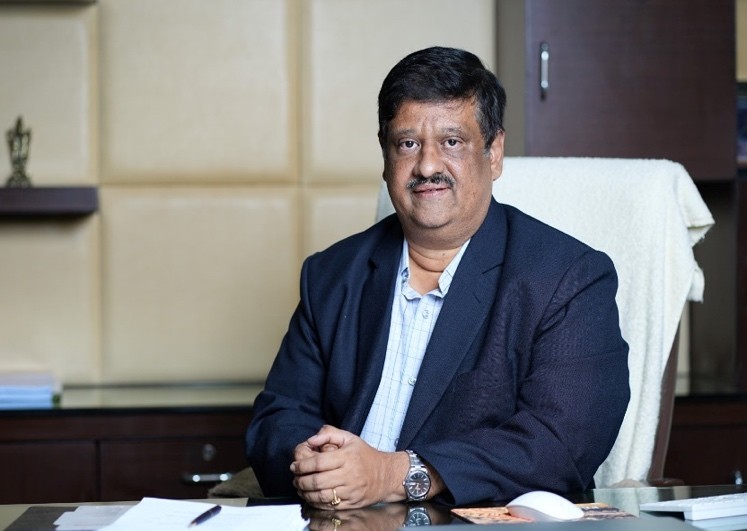
Dr. S. Venkata Mohan
Director, CSIR-NEERI
Mentor
Bio-economy, Bio-CCUS, Climate Change, Environmental Policy
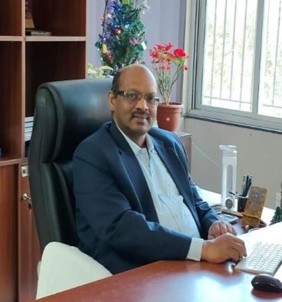
Dr. R. J. Krupadam
Scientist G & PI
Carbon Capture, Risk & Impact Assessment, Adaptation, Net-Zero, Climate Policy, Novel Entities, Green Firecrackers
Er. Suvha Lama
Scientist E & Co-PI
Climate Vulnerability, Carbon Footprint, GHG Emission Inventory, Life Cycle Assessment, EV Batteries
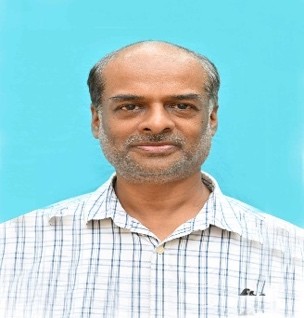
Er. M. Karthik
Scientist F
GHG Emission Inventory – Waste Sector (NATCOM, BUR, BTR)
Dr. K. Krishnamurti
Scientist G
Algal Carbon Capture
Dr. Anirban Middey
Scientist E
Atmospheric Chemistry, Urban Modelling
Dr. Rakesh Kadaverugu
Scientist E
Climate Modelling, Thematic Mapping
Dr. Amit Bafna
Scientist F
Algal Carbon Capture
Ms. Sneha
PhD Scholar
Carbon Capture, Absorption, Blended solvents, CO2 absorption kinetics & Design of absorption reactors and scale-up studies
Ms. Anshika Yadav
PhD Scholar
Carbon Capture, Adsorption, Metal-Organic Frameworks and Porous Materials, Green Firecrackers, Novel Entities
Ms. B. Bindu Nair
Private Secretary to PI & Chair, CRIAD